Return to Karabakh: Survey Project
First Phase of the Project
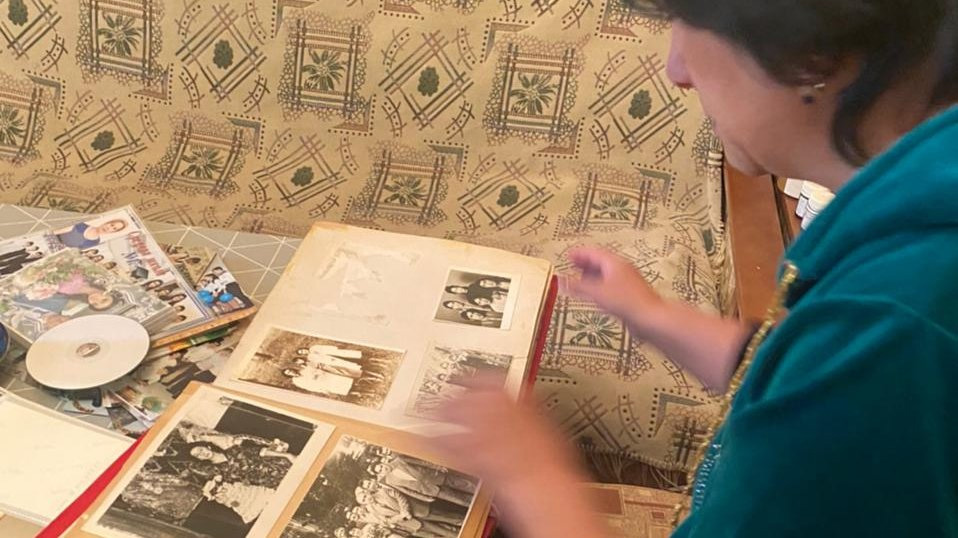
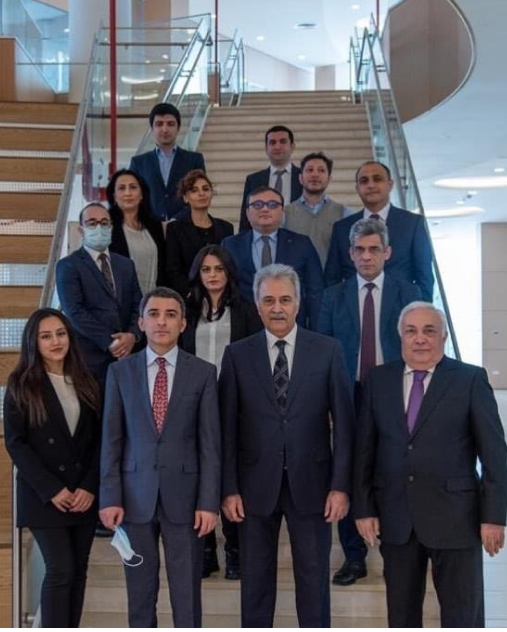
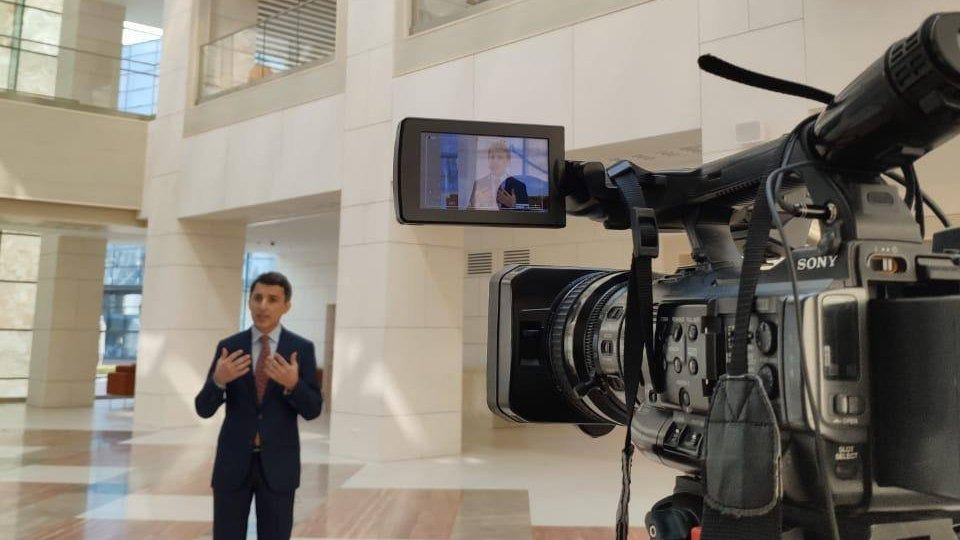
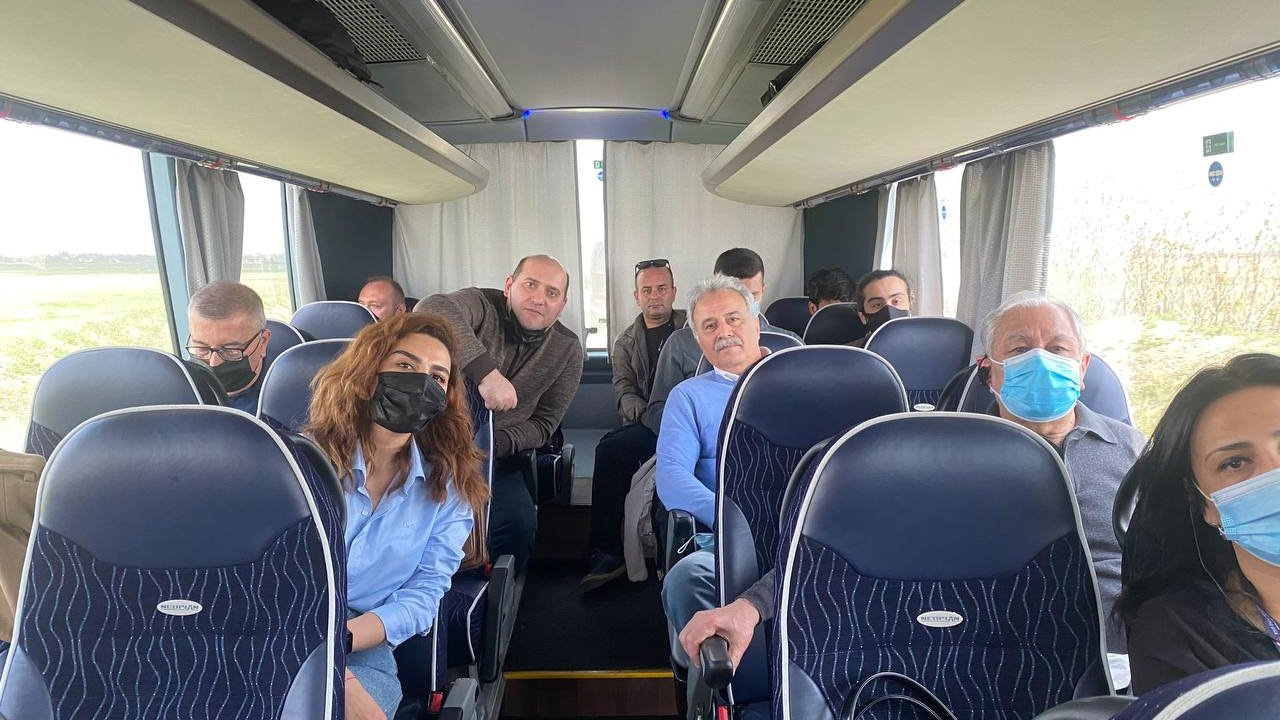
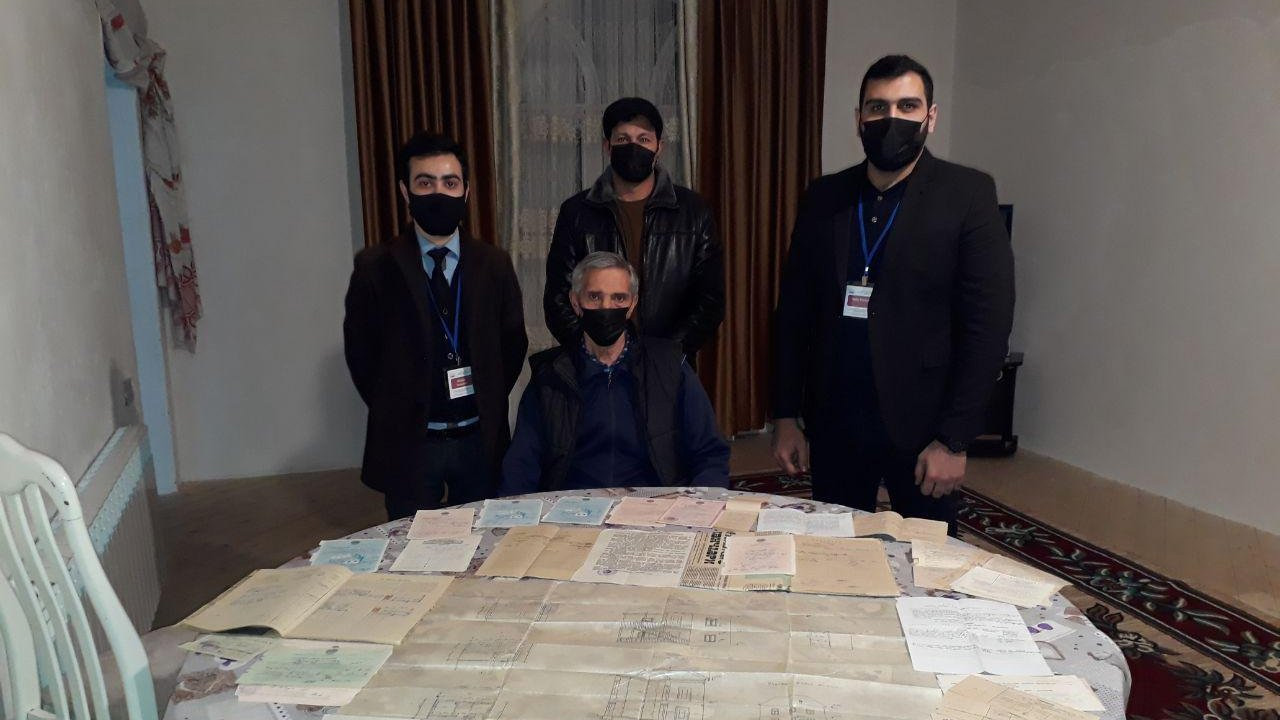
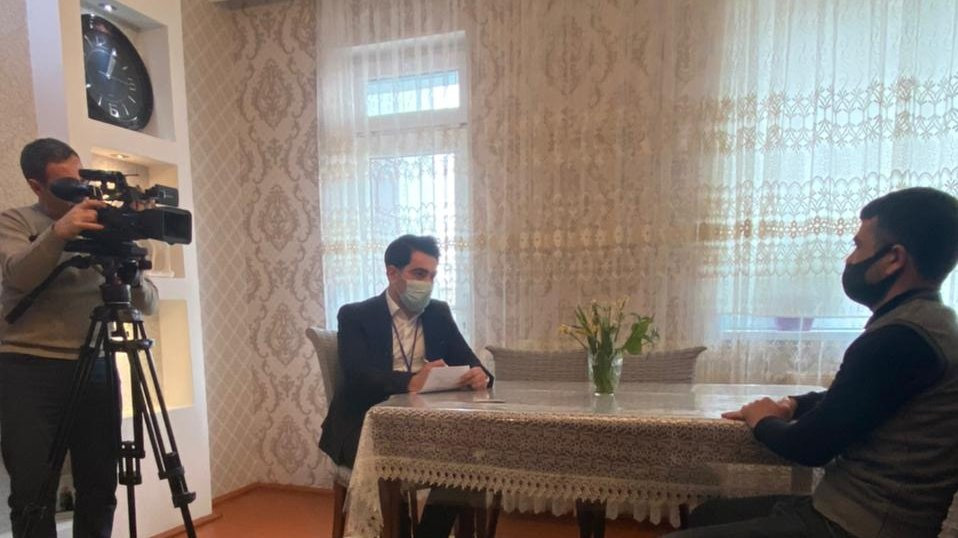
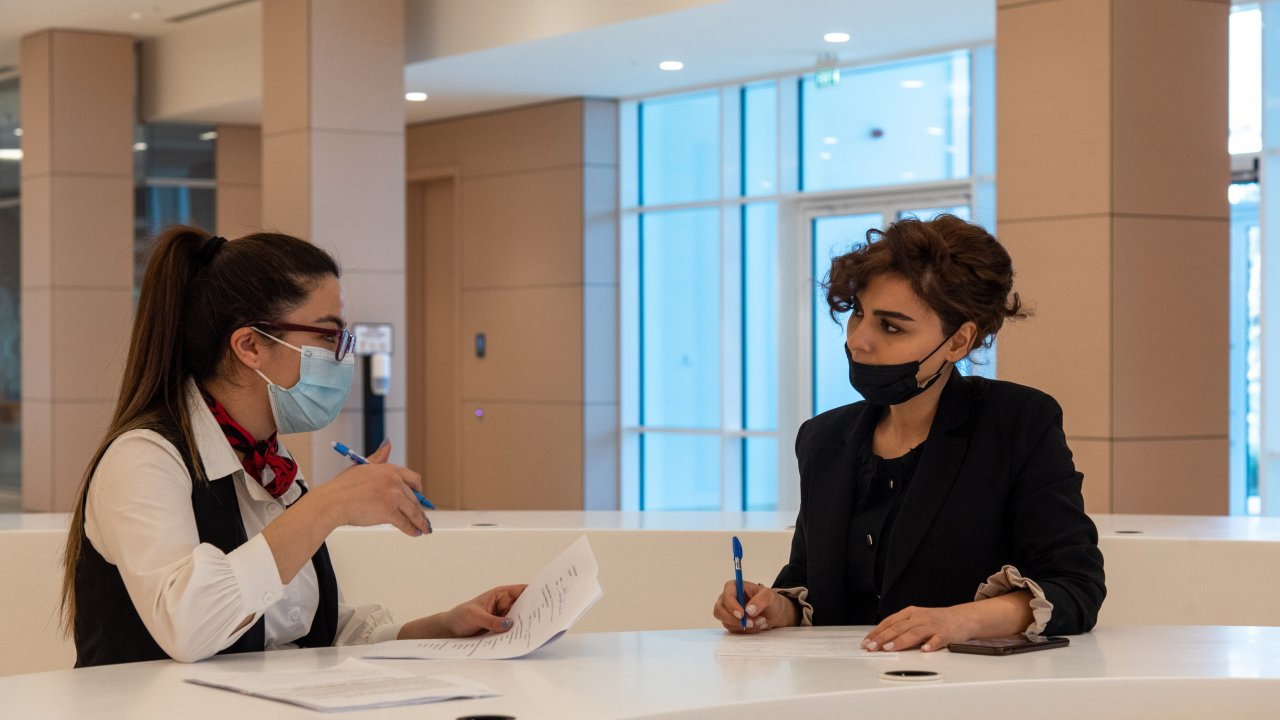
Online Survey has begun among IDPs In the autumn of 2020 Azerbaijan National Army has liberated the territories of our country that was occupied for almost 30 years. Rehabilitation and comprehensive development of these areas are one of main tasks of state and society. The central goal of the process is the return of IDPs to their homes. It is important to predict the repatriation potential as accurately as possible in order to organize their return effectively. In this regard, it is crucial to study the wishes, intentions and suggestions of IDPs. For this purpose, the "Working Group on Academic and Educational Affairs" of the Interdepartmental Center under the "Coordinating Headquarters for the centralized settlement of issues in the liberated territories of the Republic of Azerbaijan" established by the President order, conducted systematic research with the involvement of local and foreign experts.
One of the such research is a study entitled "Preparation of proposals for the forecasting and effective organization of repatriation to post-conflict areas of Azerbaijan" implemented at ADA University. Several sociological surveys were organised as part of this study. The first was an online survey. This survey was held on the basis of a state order by scholars working as an independent group and consisting of specialists from several research and educational institutions. The confidentiality of the personal data of the respondents and their answers was fully guaranteed. The survey was open to public as of February 22, 2021. It took only 5-6 minutes to complete the questionnaire.
WITH IDPS
WITH ENTREPRENEURS
Second Phase of the Project
Third Phase of the Project
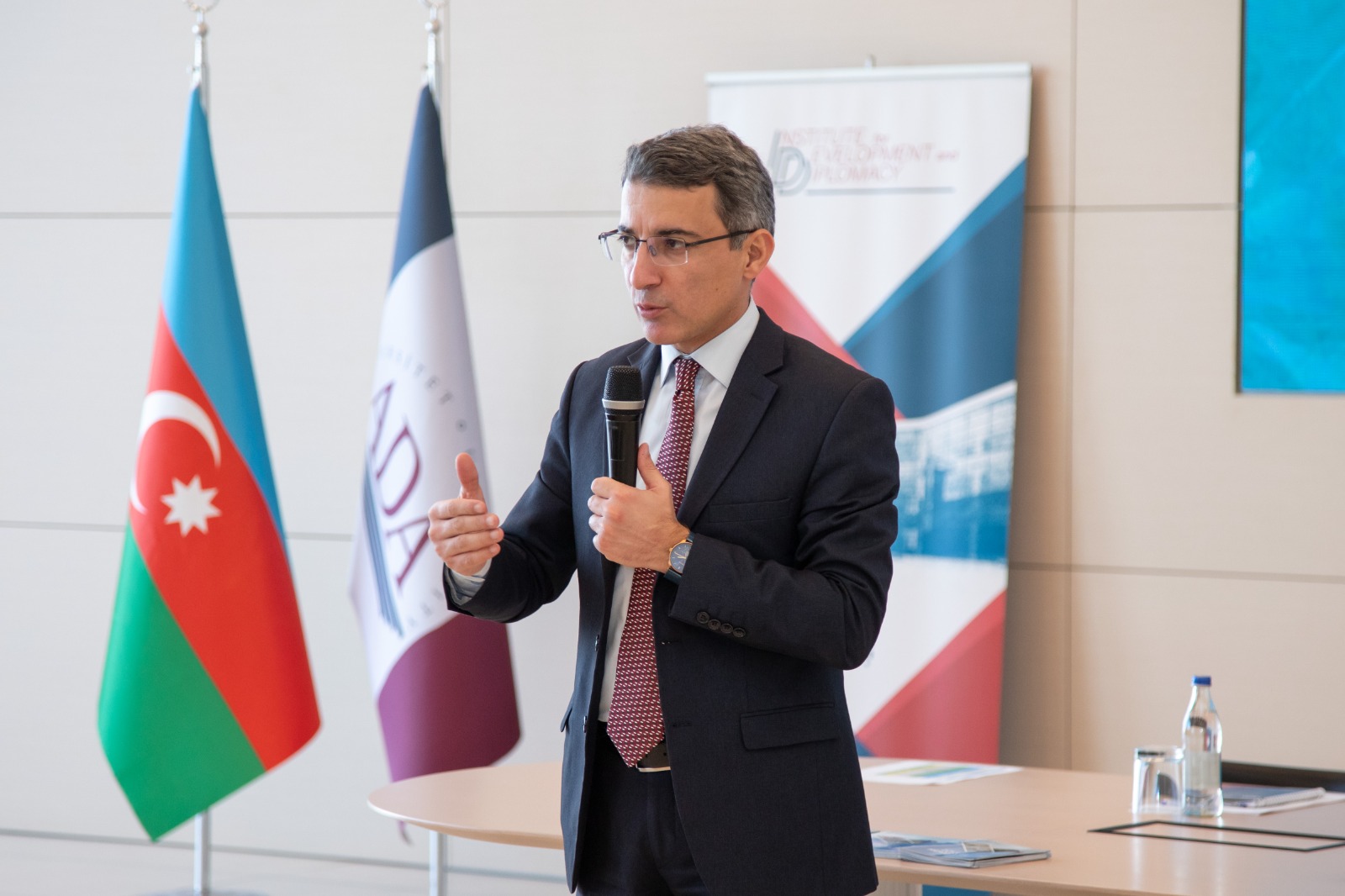
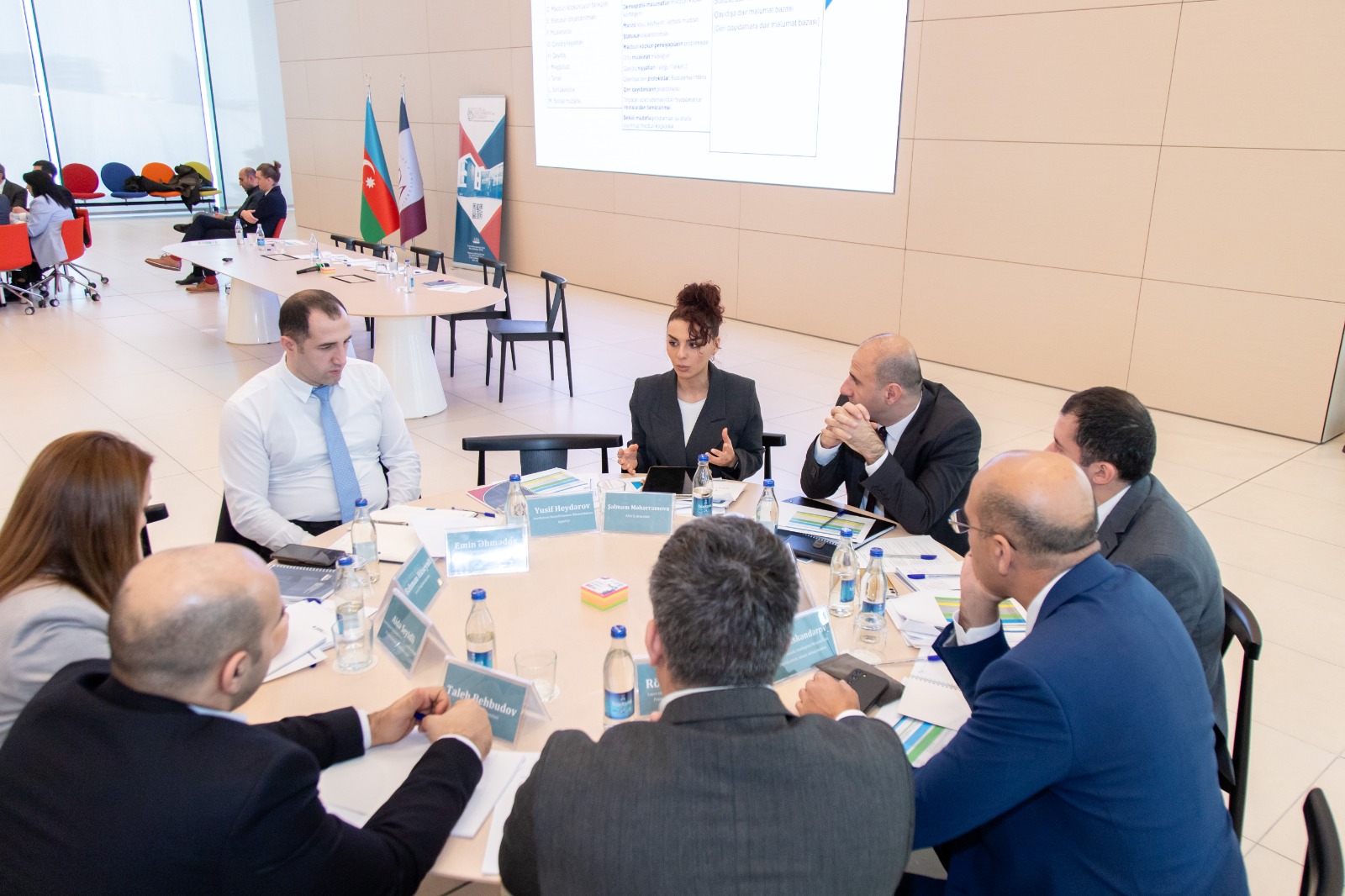
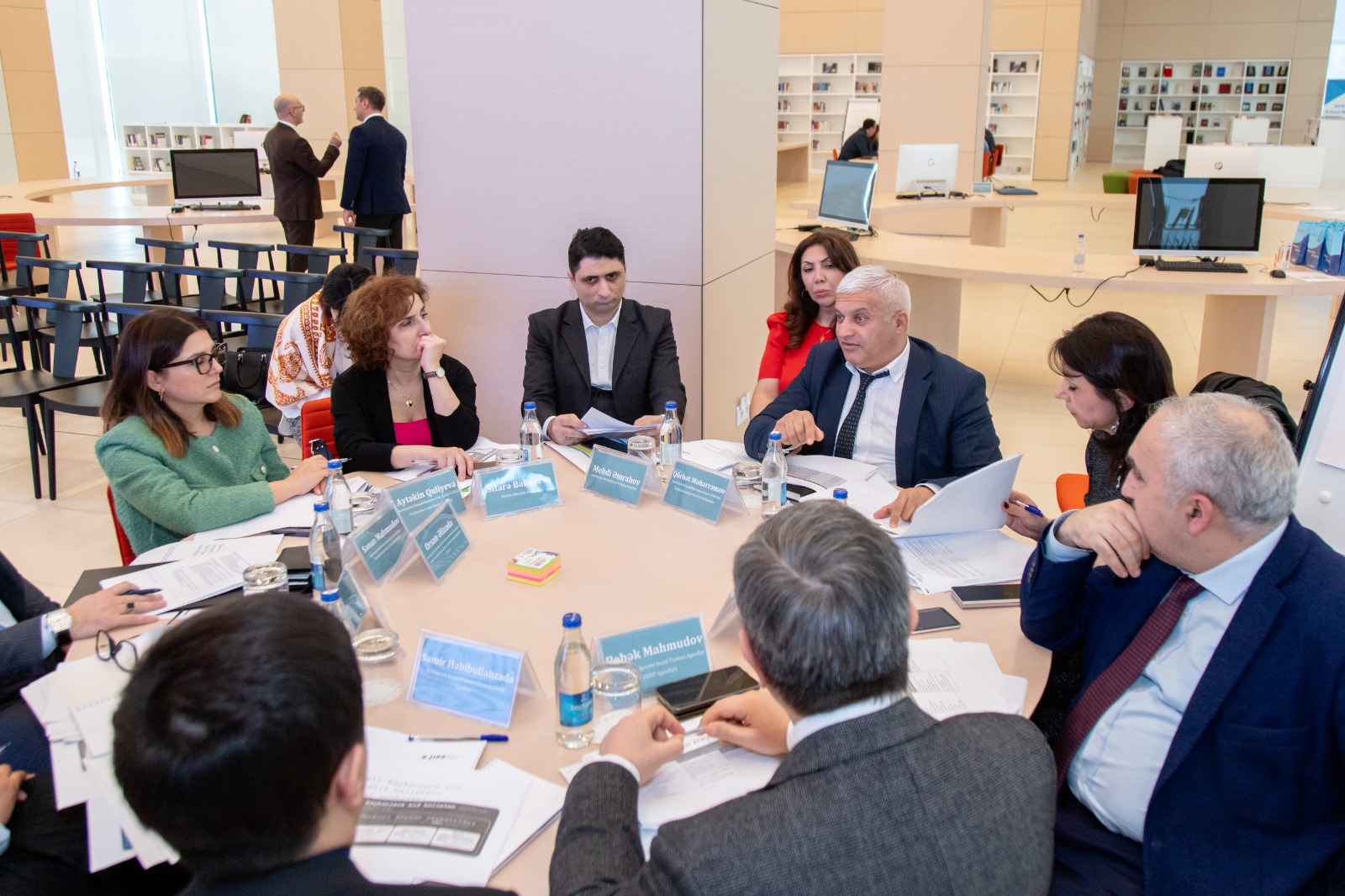
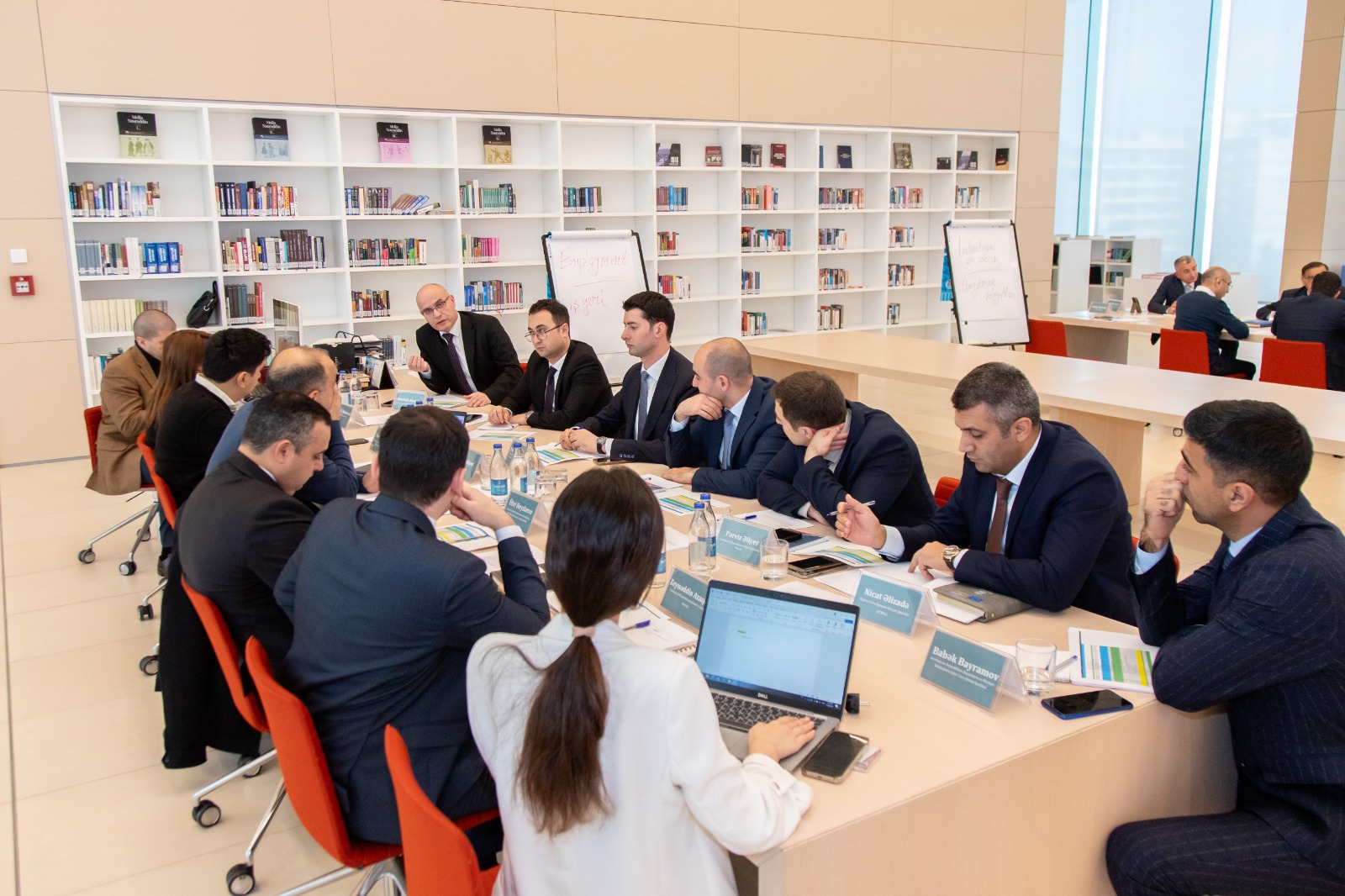
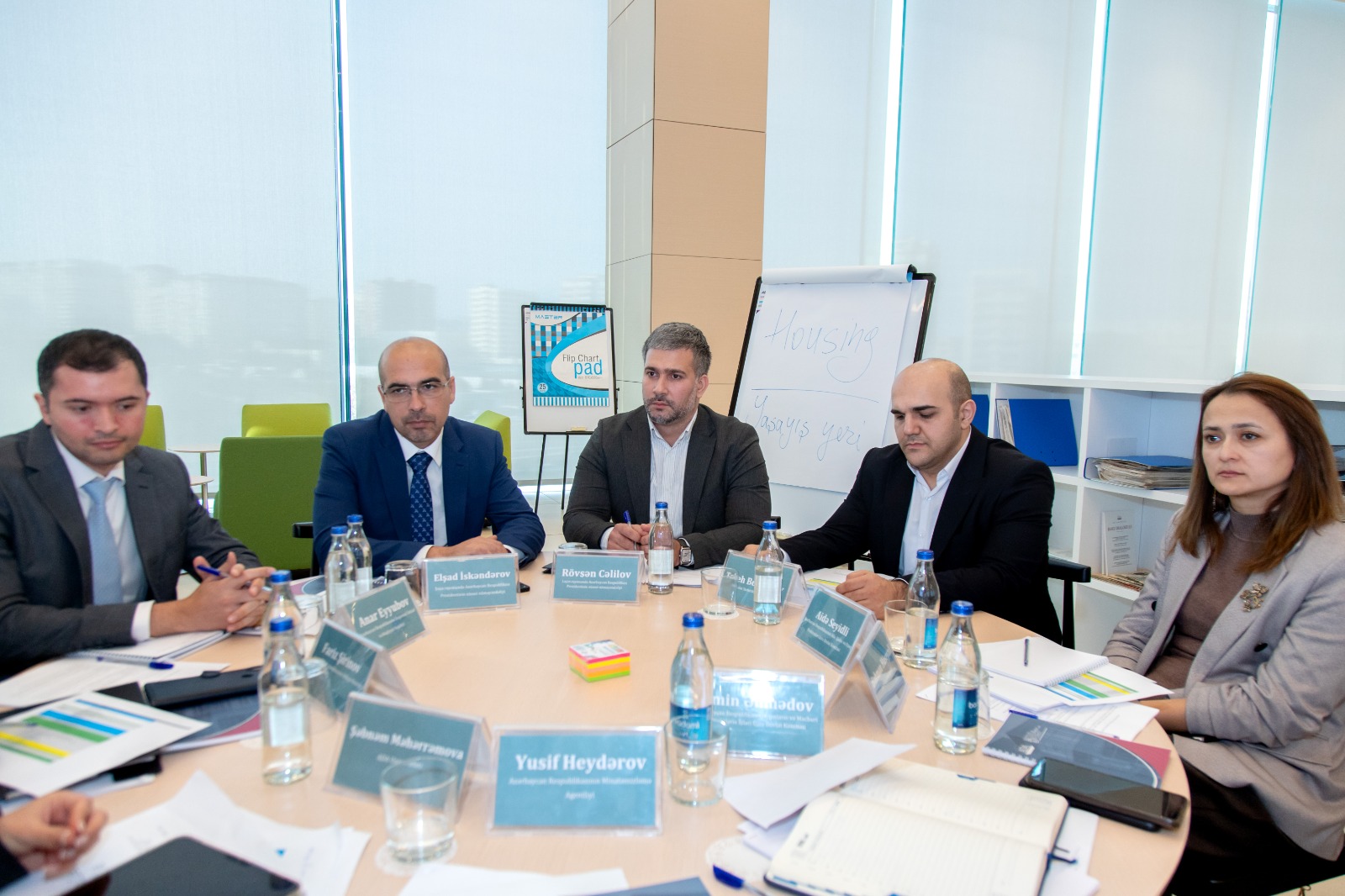
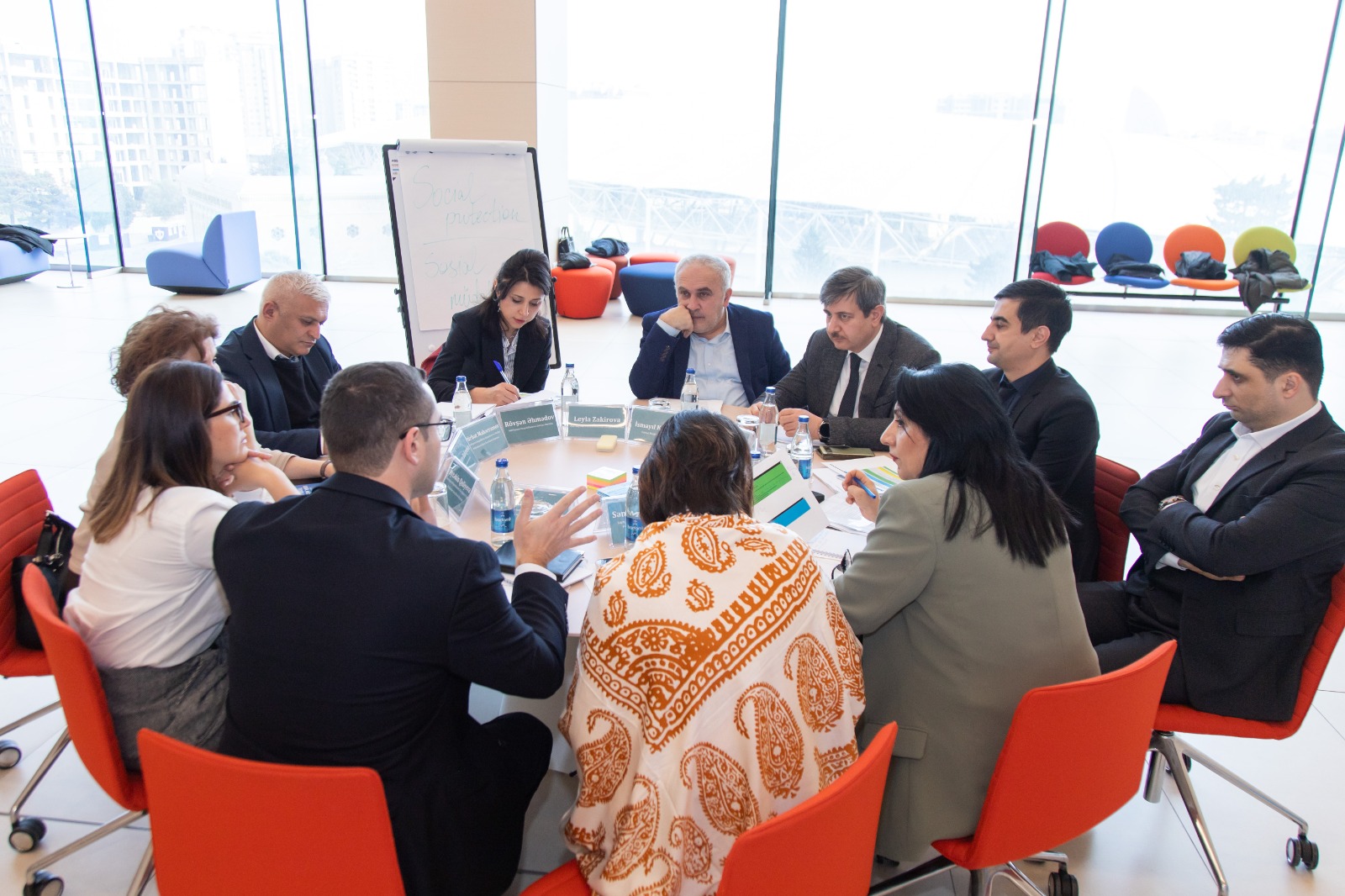
Together, we are building stronger, data-driven approaches to better serve the needs of IDPs and foster effective collaboration across institutions.
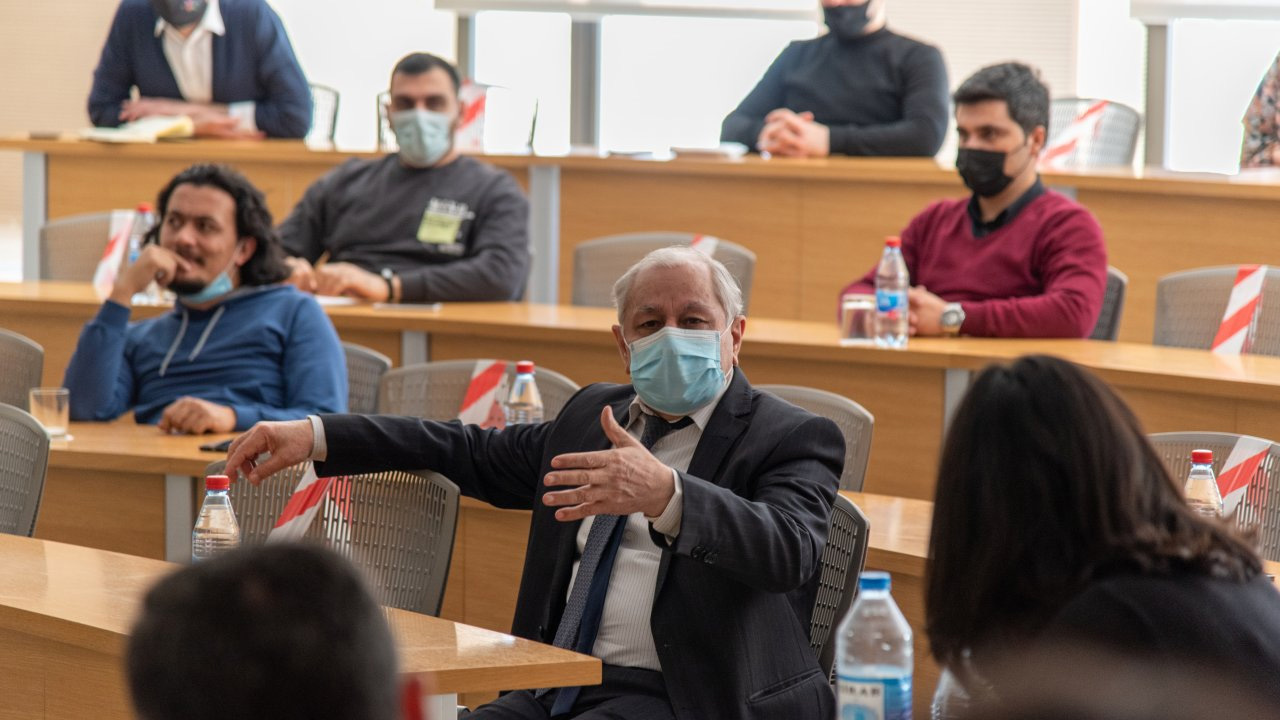
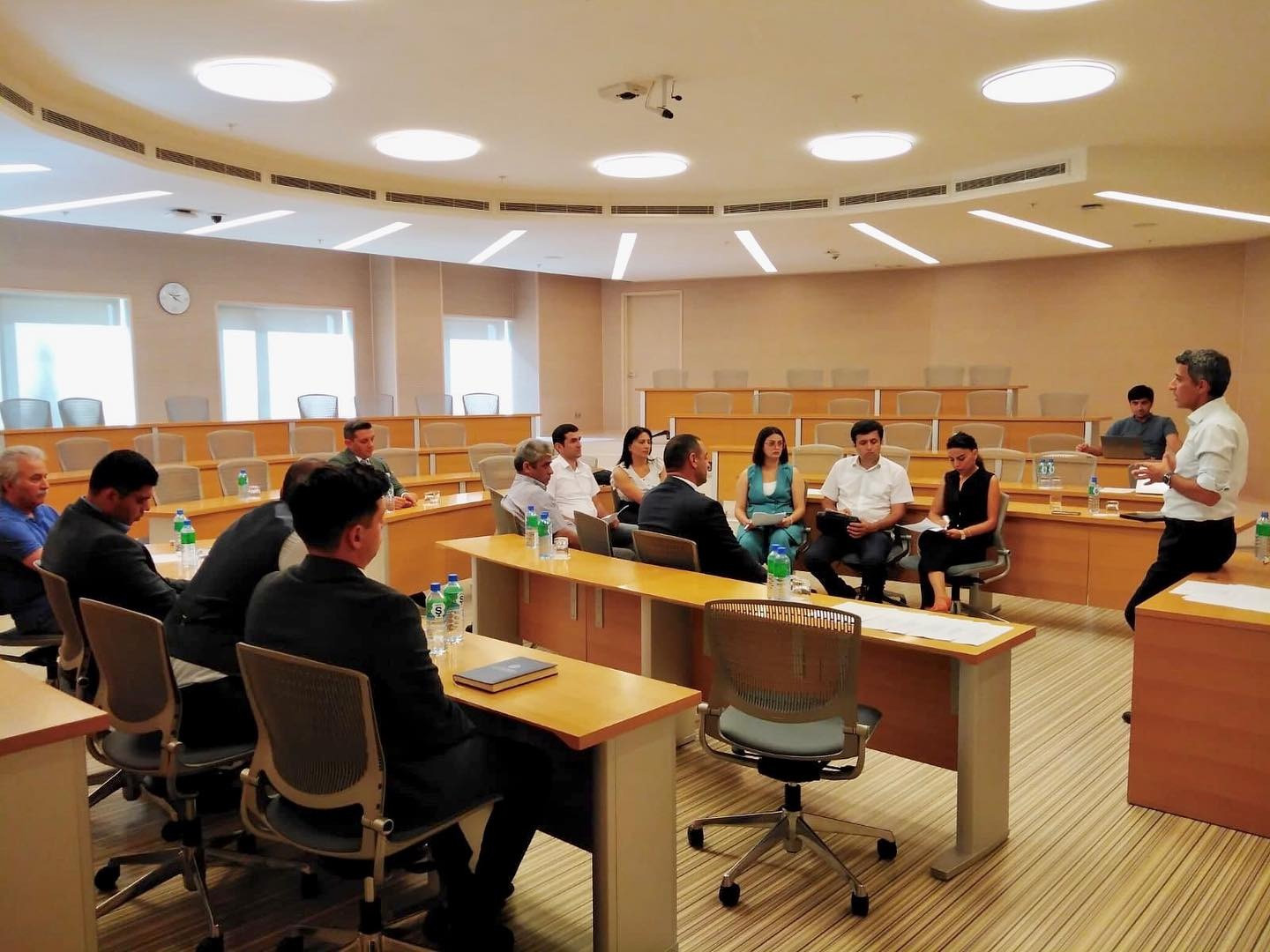
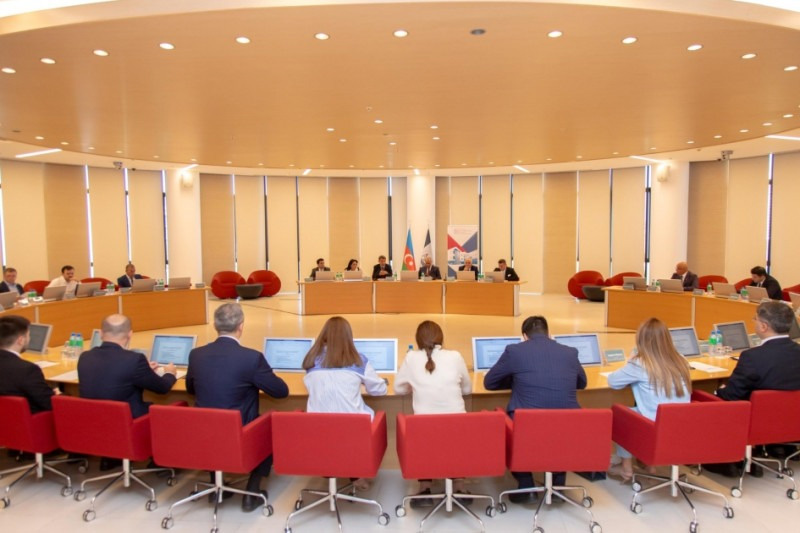
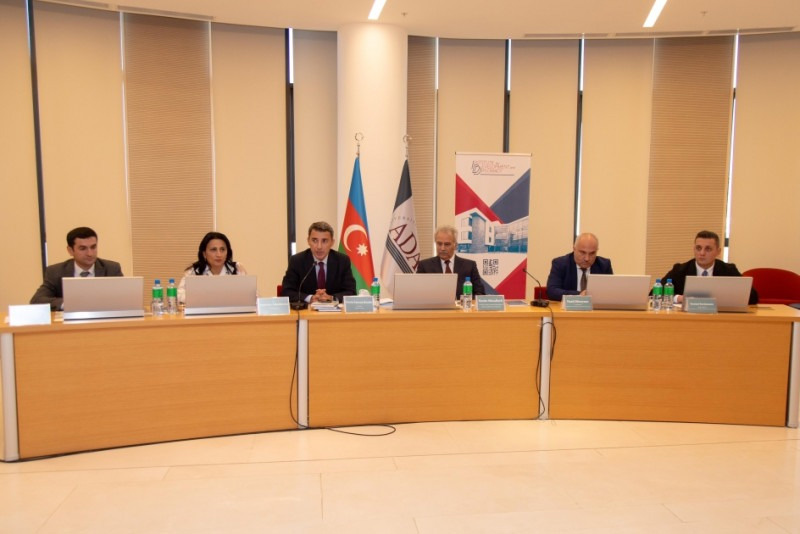
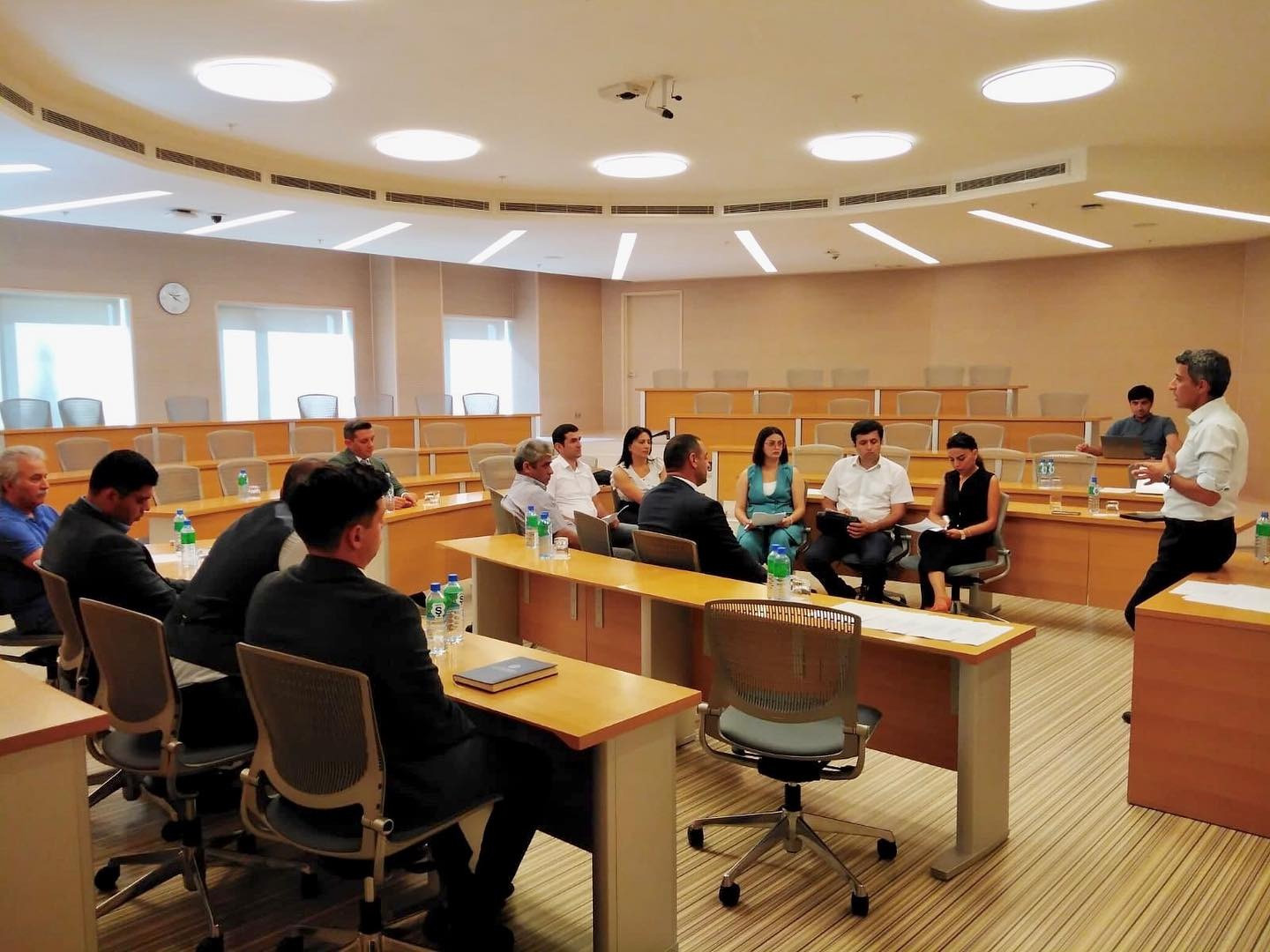
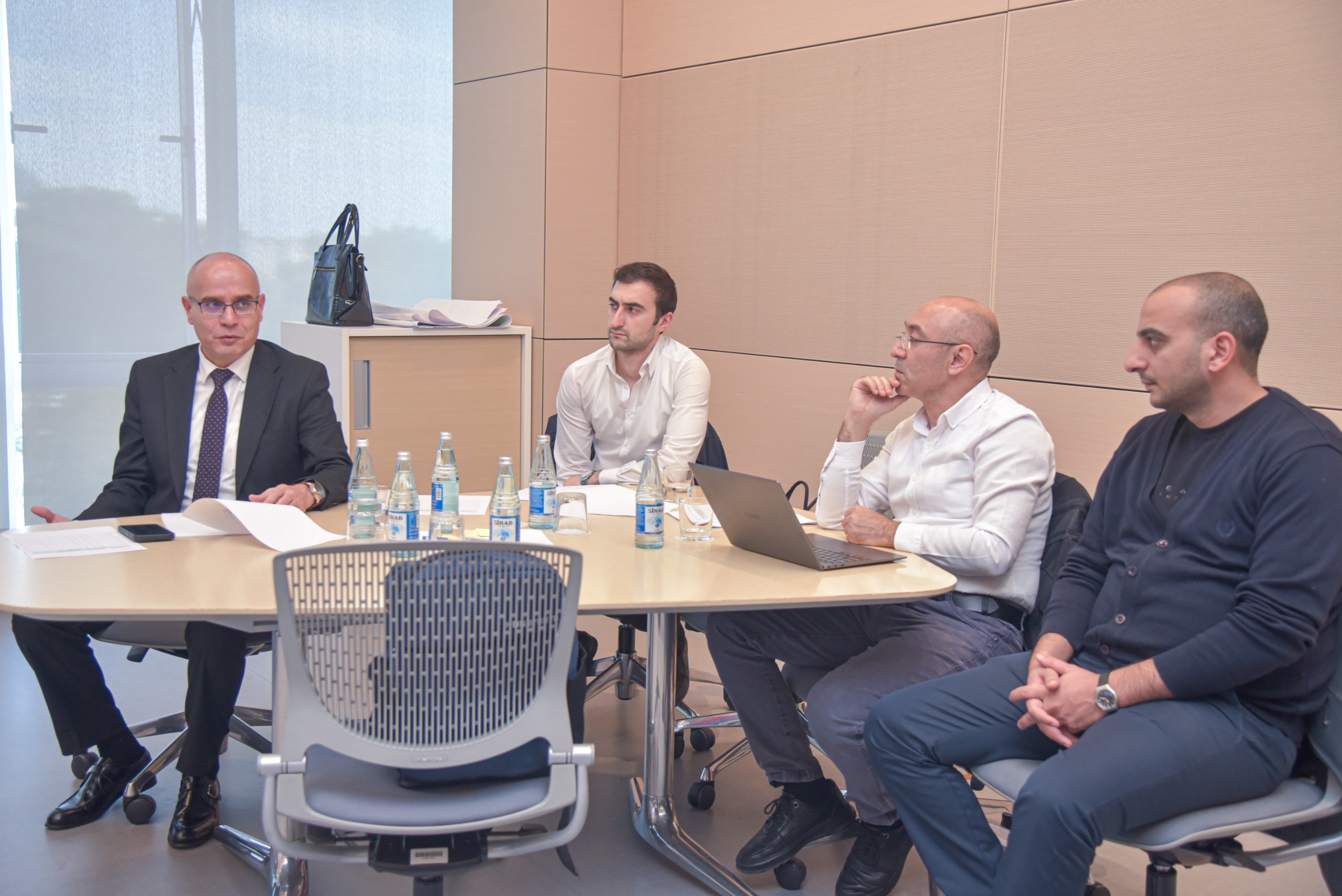
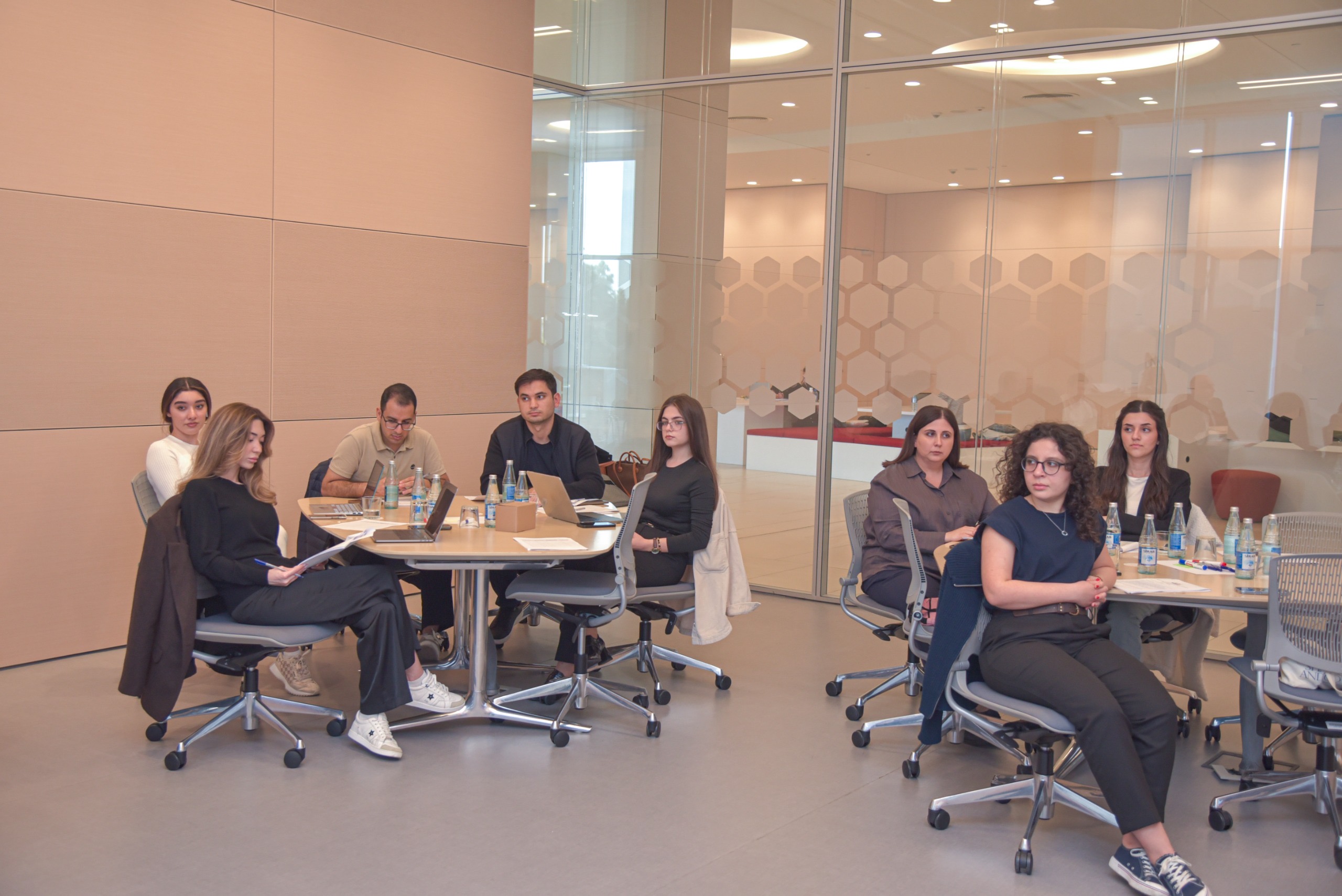
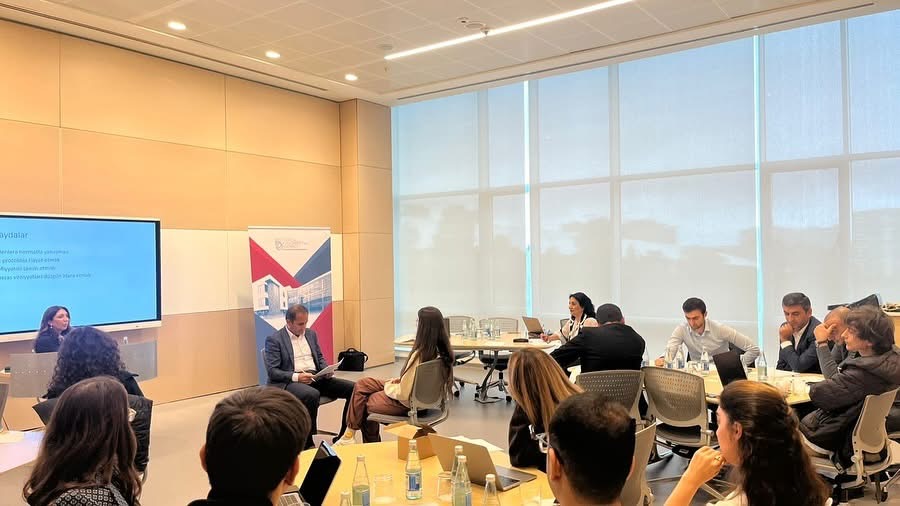
Within the third phase of the project, hosted a series of discussions and workshops aimed at advancing data acquisition mechanisms for the State Committee on Refugees and Internally Displaced Persons (IDP Committee).
The workshops brought together representatives from nearly 30 public organizations, including ministries, state agencies, and committees.
The facilitators from ADA University and the Institute of Economics of the Ministry of Science and Education led the sessions to collaboratively brainstorm and develop practical solutions on critical themes such as:
- Intention to Return
- Employment
- Social Protection
- Housing/Placement
These sessions served as a platform to identify the statistical and data needs of relevant institutions concerning the status of IDPs. Participants also exchanged ideas on improving survey methodologies, enhancing data integration, and streamlining information flow and exchange.
Fourth Phase of the Project
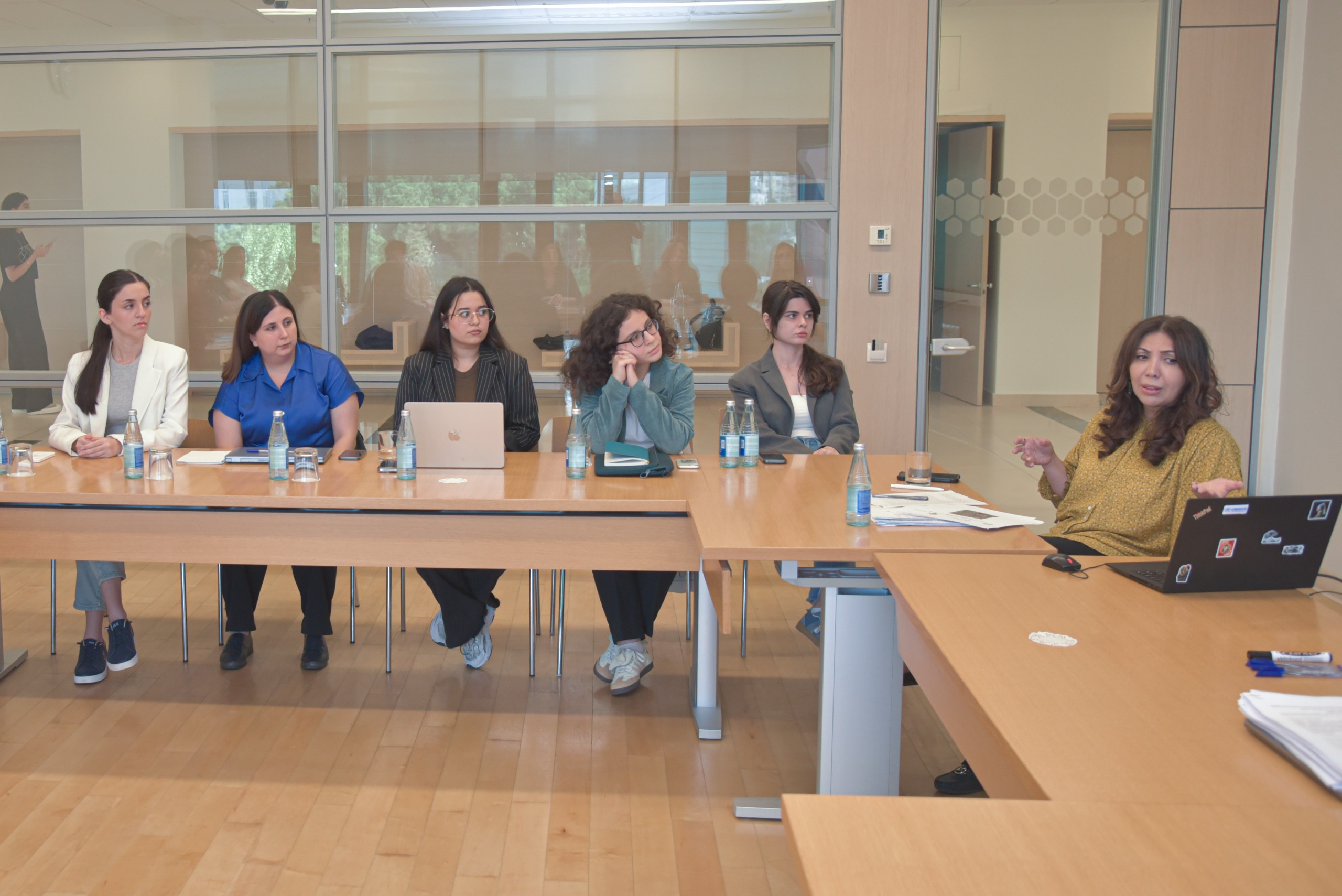
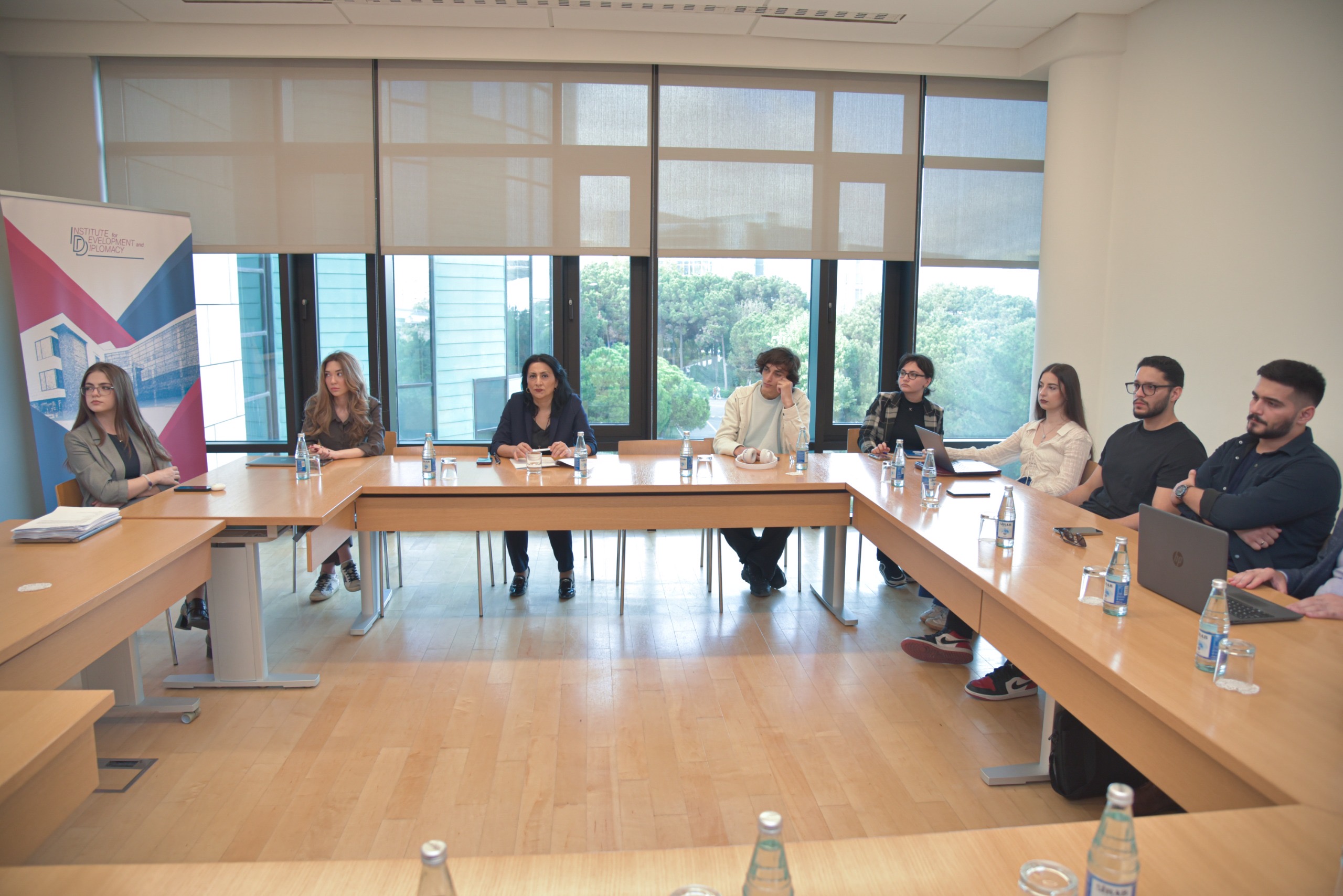
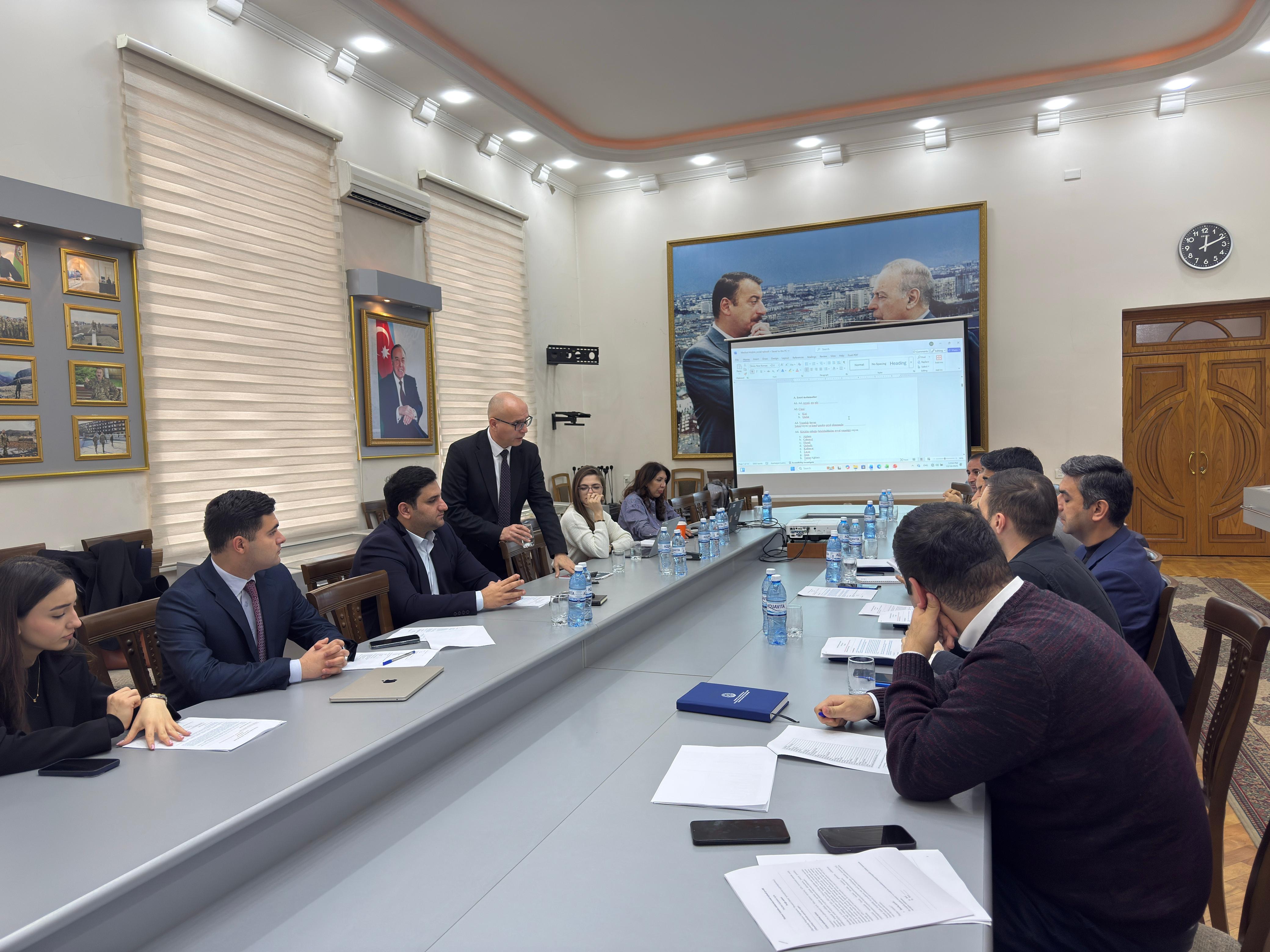
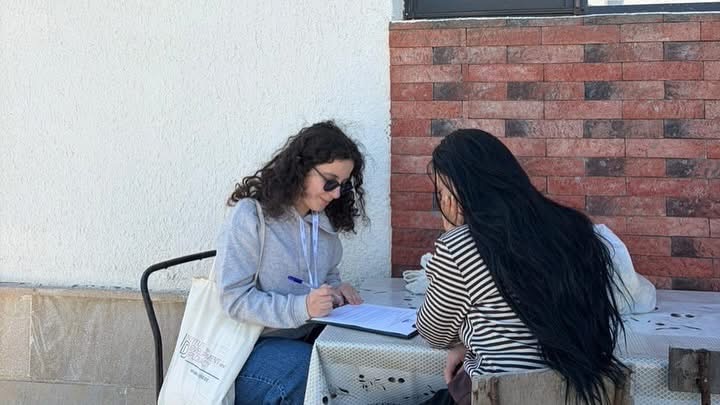
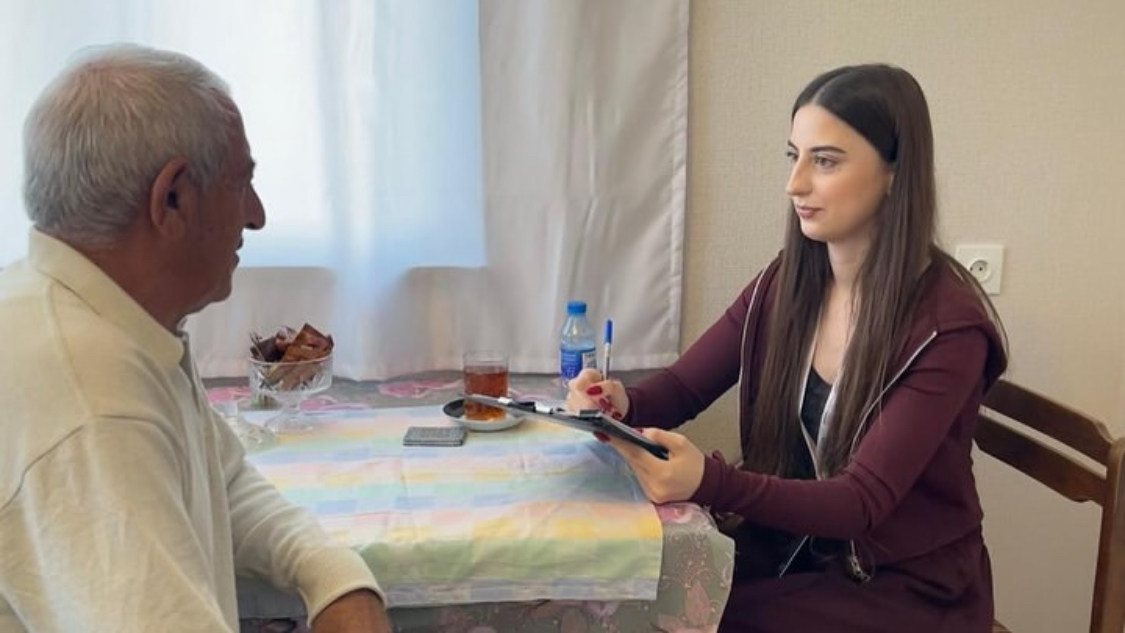
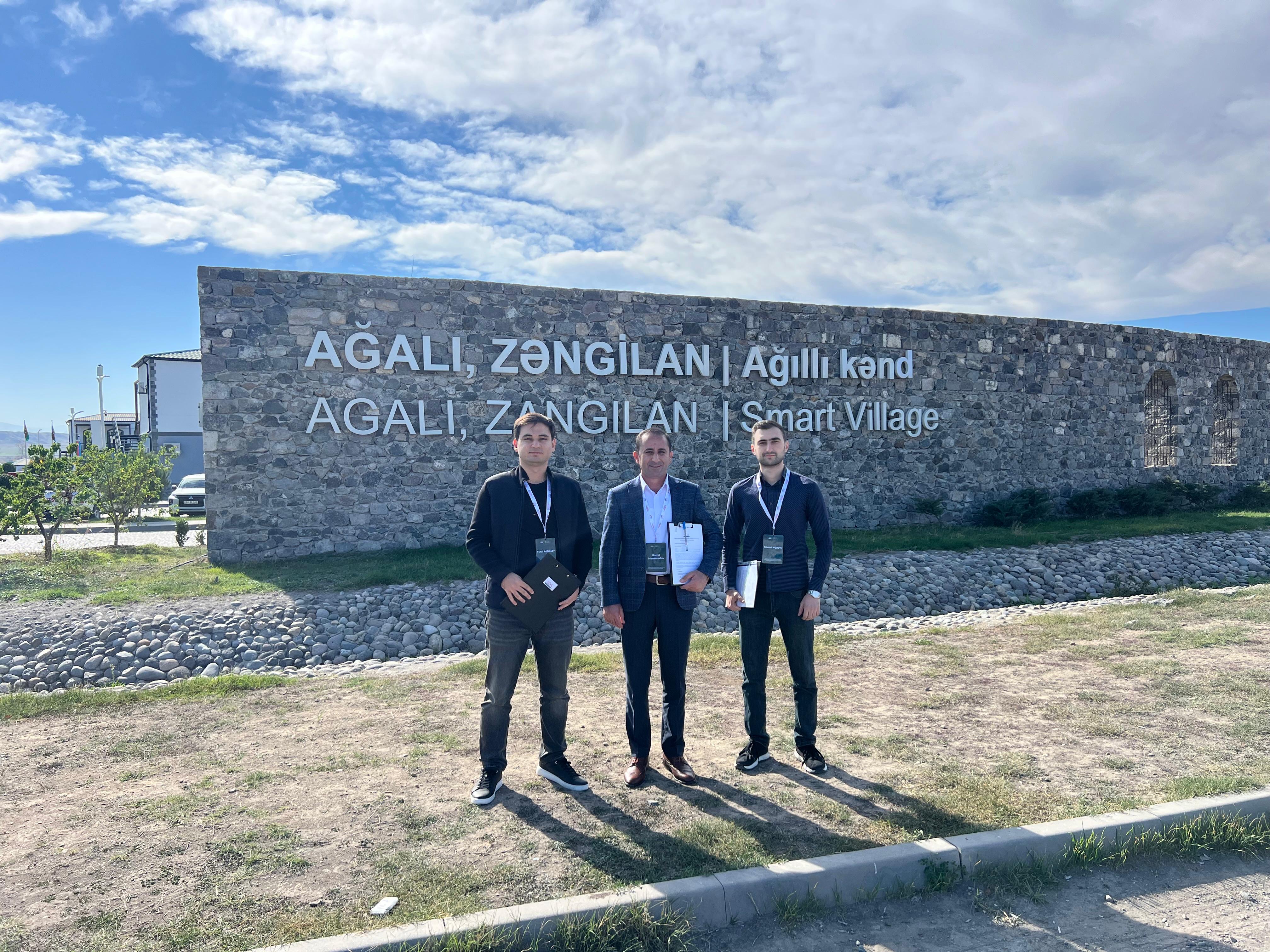
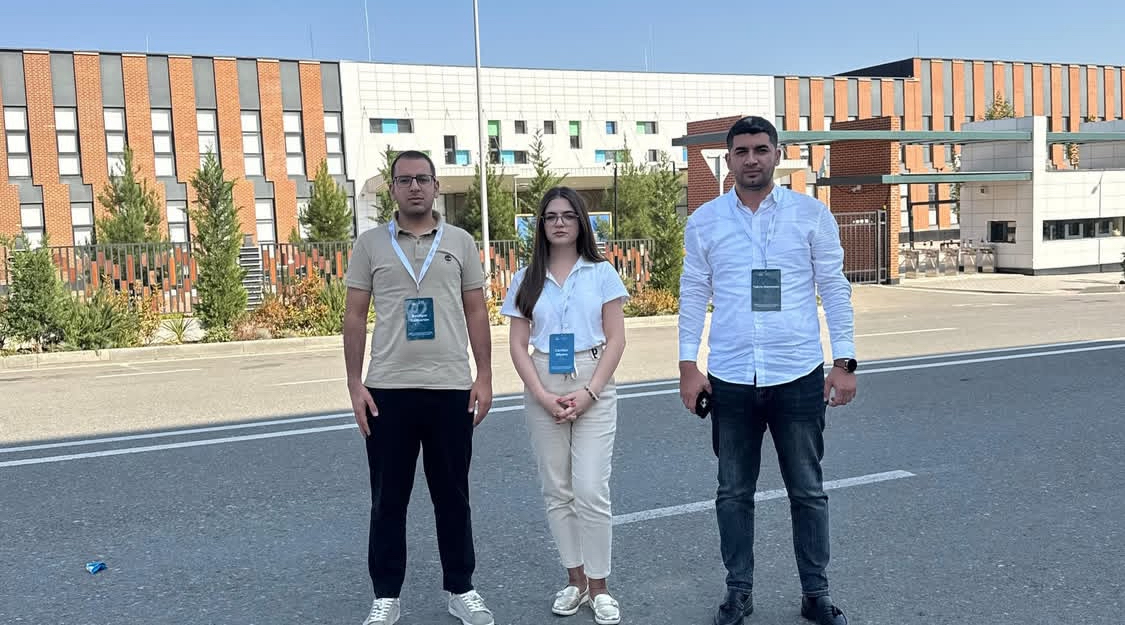
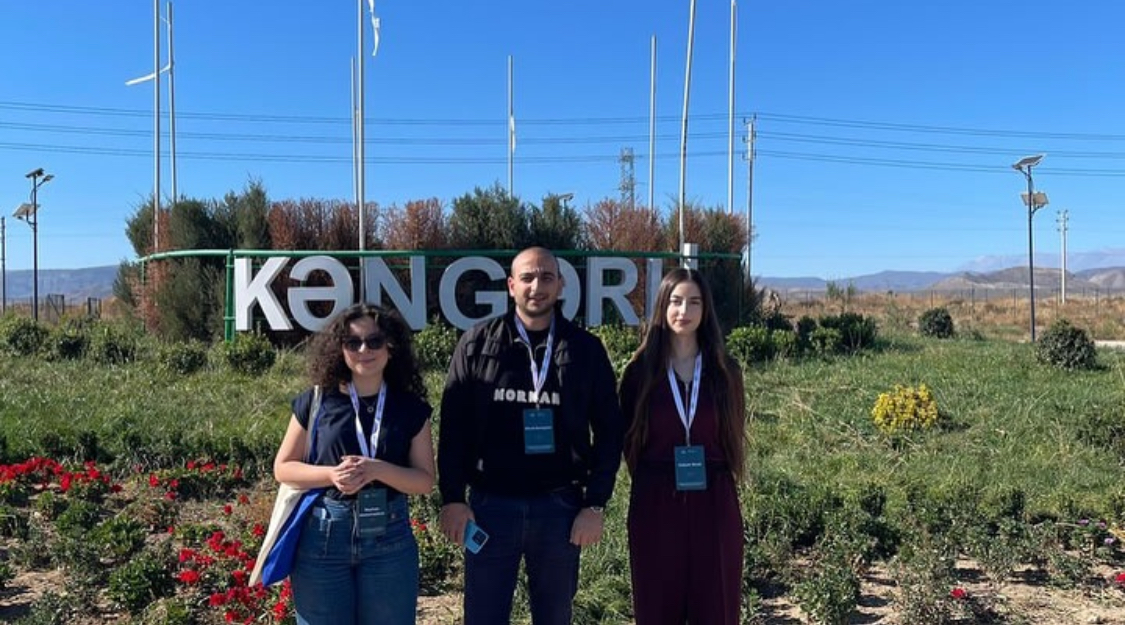
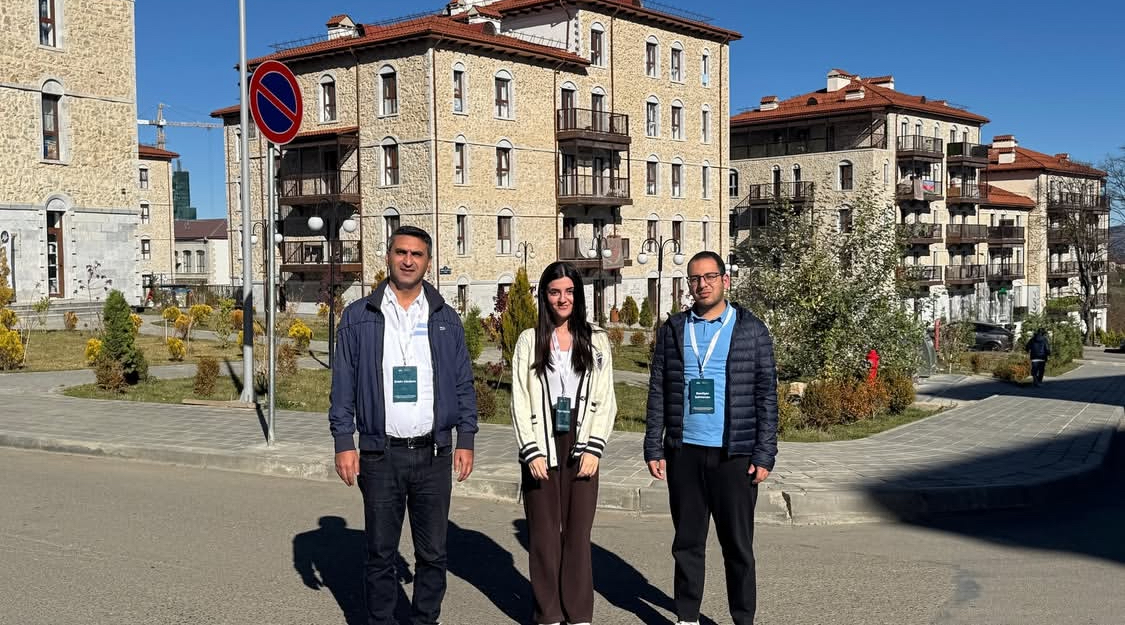
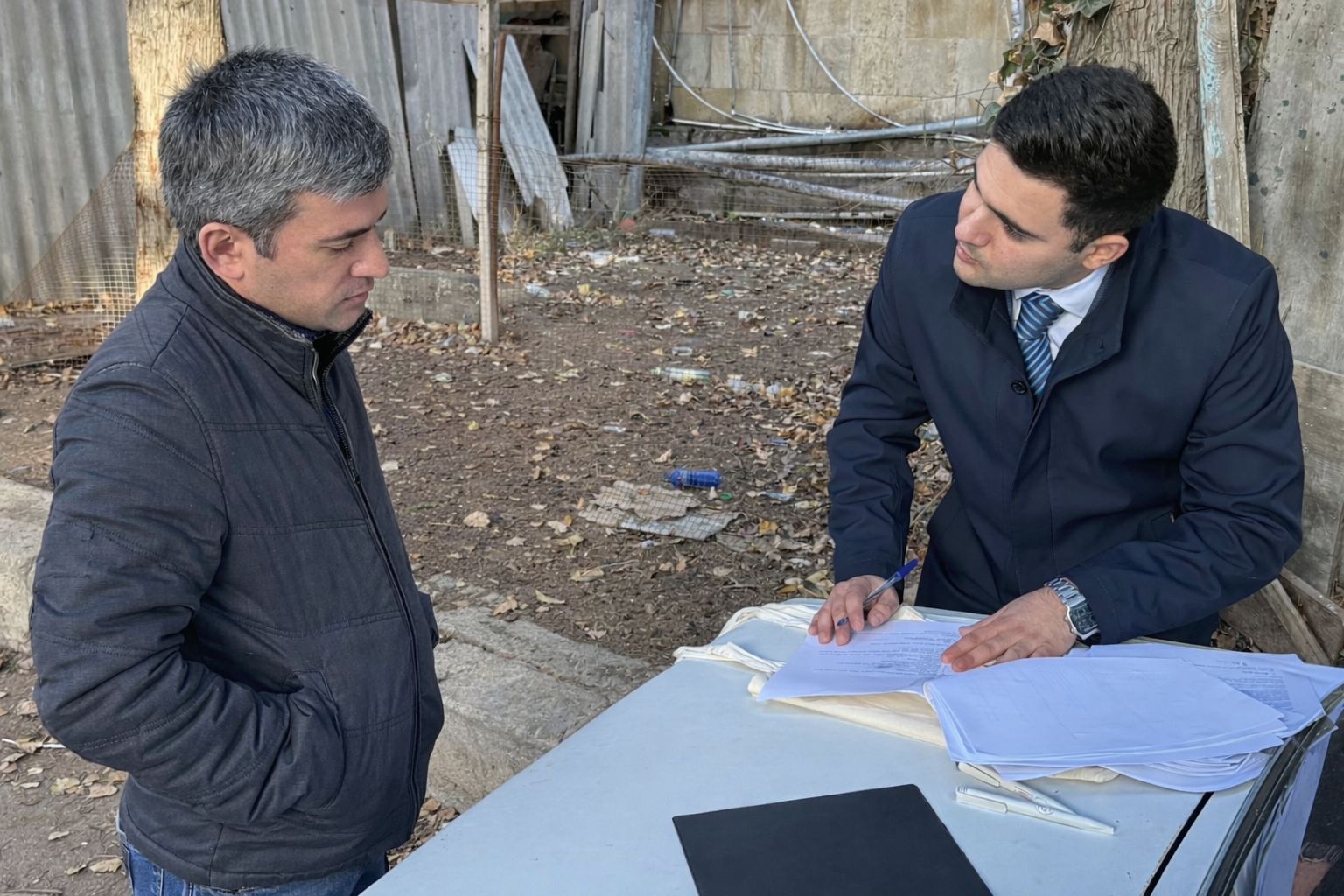
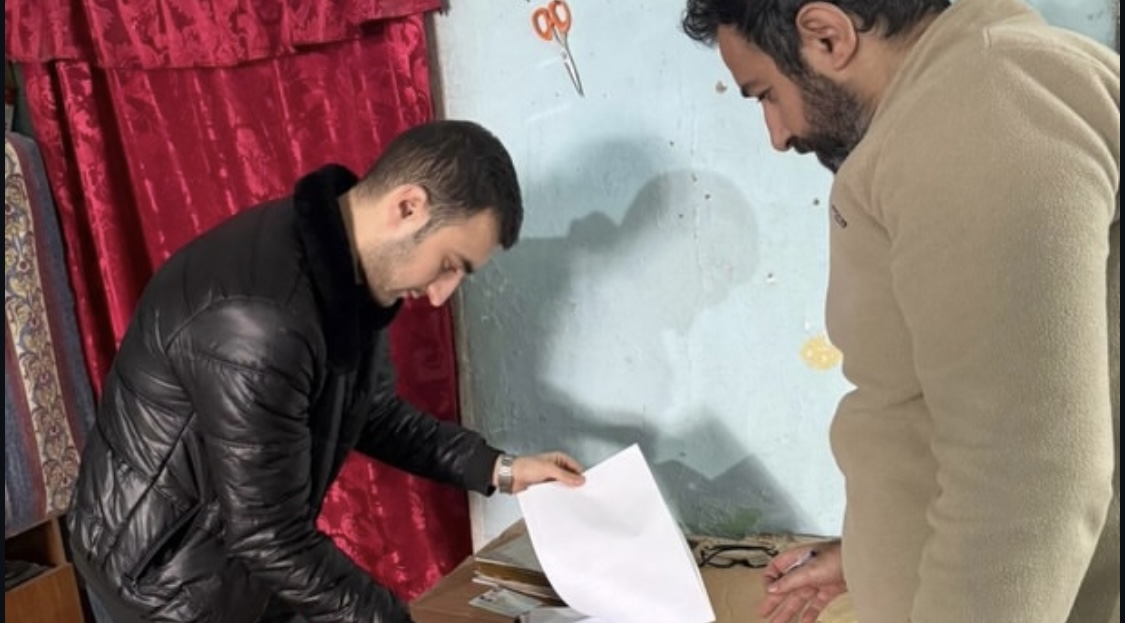
The Institute for Development and Diplomacy (IDD) has successfully implemented the project titled “Survey on Socio-Economic Profiling of IDP Households in the Liberated Areas,” aimed at assessing the socio-economic conditions, needs, and perspectives of internally displaced persons (IDPs) returning to liberated territories of the Republic of Azerbaijan.
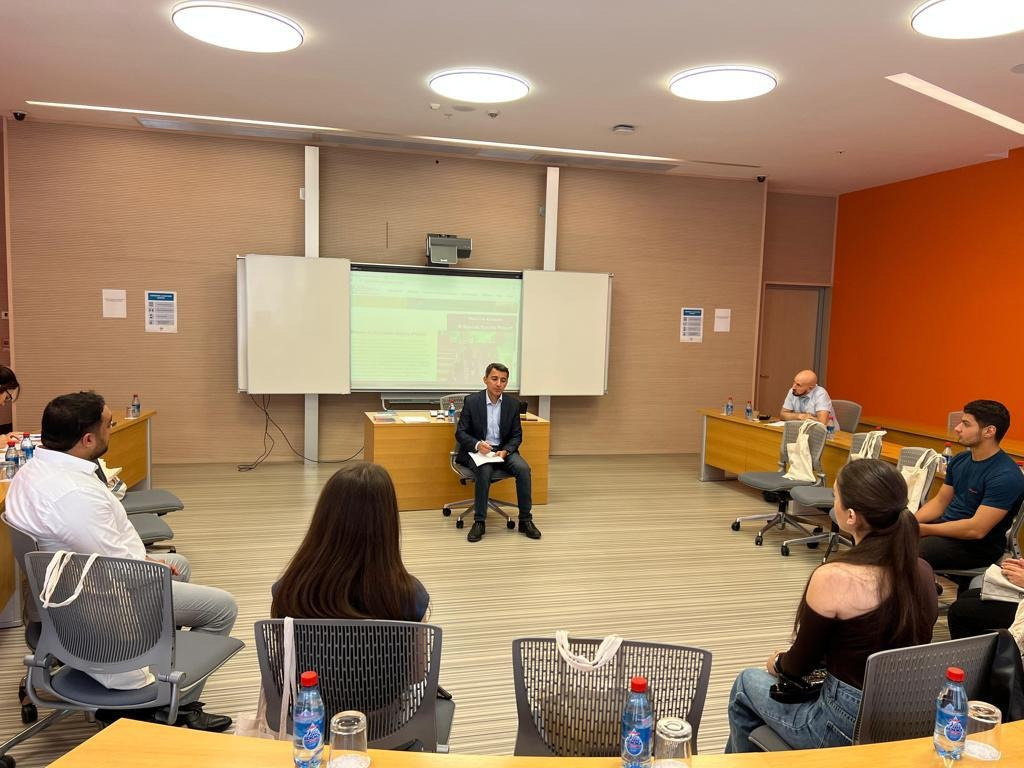
The project has started with a coordination meeting, bringing together relevant stakeholders to outline the objectives and implementation strategy of the survey. As part of the preparatory phase, a series of training sessions for interviewers was conducted in October 2025. These sessions equipped survey practitioners with the necessary methodological knowledge and practical skills, including in-depth reviews of the questionnaire and mock interview exercises to ensure high-quality data collection.
Following the training sessions, fieldwork was launched across key locations, including Aghdam (Kangarli village), Fuzuli, Shusha, and Zangilan (Aghali village). As part of the project’s final phase, the research scope was expanded to include IDPs currently residing in Baku and other regions who are expected to return to the liberated areas in the coming years. Field teams conducted both on-site and phone-based surveys.
The project was finalized with its evaluation and analytical stage. The collected data was reviewed and analyzed to generate evidence-based insights and policy recommendations aimed at improving the living conditions and overall well-being of IDPs, as well as supporting informed decision-making and sustainable development in the liberated areas.